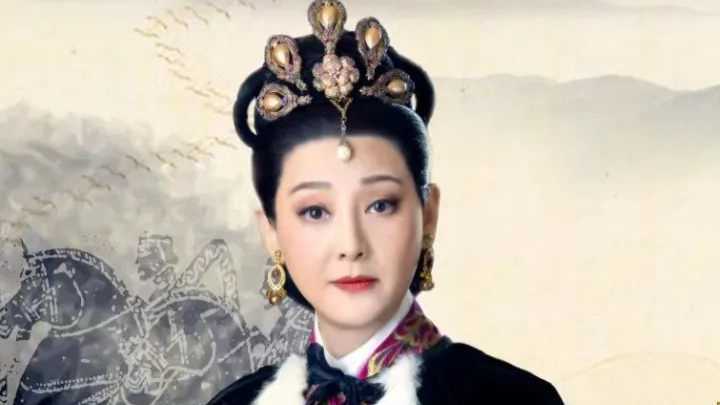
Cai Wenji
Introduction
Cai Wenji, born as Cai Yan, is a revered historical figure known for her exceptional literary talent and her tumultuous life during the Eastern Han Dynasty (25-220). She is best remembered for her poignant poetry and a life narrative that reflects both personal and national strife. Her courtesy name, Wenji, underscores her status as a literate and intelligent woman in a period where female voices were seldom heard in literary circles.
Early Life and Background
Cai Wenji was the daughter of Cai Yong, a renowned scholar and musician of the Eastern Han Dynasty. Under her father's tutelage, she became well-versed in literature, music, and history, gaining a reputation for her erudition. Her life was dramatically altered during the war when she was captured by the Xiongnu nomads and forced to live among them for twelve years.
Captivity and Return
During her time with the Xiongnu, Cai Wenji married a chieftain and bore him two sons. This period of captivity deeply influenced her writings, particularly her yearning to return to the Han empire. Her release was orchestrated by the warlord Cao Cao, who paid a substantial ransom to secure her return to her homeland. This act is well-documented in Chinese history as it highlights the cultural and political complexities of the time.
Literary Contributions
Cai Wenji’s literary brilliance is exemplified by her Eighteen Songs of a Nomad Flute, which vividly portrays her emotional struggles during captivity and her longing for her homeland. Her poetry, known for its emotional depth and structured elegance, provides valuable insights into the socio-political landscape of the Eastern Han Dynasty and reflects her resilience amid personal hardship.
Cultural Legacy
Cai Wenji's life and work have transcended literature, becoming a symbol of cultural resilience. Her story has been adapted into various forms of art, including traditional Chinese operas and modern film adaptations. The Peking Opera film Cai Wenji Returns to Her Homeland exemplifies this, blending traditional opera with modern cinematic techniques to emphasize themes of perseverance and cultural identity.
Modern Interpretations
Contemporary artists and performers continue to draw inspiration from Cai Wenji's legacy. The historical drama Cai Wenji, performed at the Beijing People’s Art Theater, highlights her cultural significance with its poetic style and traditional aesthetics. Such productions underscore her enduring role as a cultural icon and a symbol of the interplay between personal destiny and historical forces.
A Timeless Symbol
Cai Wenji's influence extends far beyond literature. Her life story stands as a testament to the transformative power of art and the resilience of the human spirit. She remains a vital figure in understanding China’s cultural and historical tapestry, inspiring generations with her strength, creativity, and enduring legacy.








